Published on March 12, 2024
From Service to Success: Career Transition Stories from Our Veterans
Inspiring journeys of Athenia Veterans Post members who successfully navigated the path from military service to fulfilling civilian careers. Their experiences, challenges, and hard-won wisdom offer guidance and hope to veterans embarking on their own transition journey.
The Challenge of Transition
Transitioning from military to civilian life represents one of the most significant challenges veterans face. The structured environment, clear chain of command, and sense of mission that define military service often contrast sharply with the civilian workplace. Veterans must navigate unfamiliar territory, translate their military experience into civilian terms, and rebuild professional networks from the ground up.
At Athenia Veterans Post, we've witnessed countless members successfully make this transition. Their stories reveal common threads of resilience, adaptability, and the importance of community support. These veterans have transformed their military skills into civilian success, finding meaningful careers across diverse industries while maintaining the values and discipline that defined their service.
The transition process typically involves several key phases: self-assessment and skill translation, education and training, job search and networking, and finally, adaptation to civilian workplace culture. Each veteran's journey is unique, but understanding these common stages helps prepare those beginning their own transition. The experiences shared here illuminate both the obstacles and opportunities that await veterans entering the civilian workforce.
What makes these stories particularly valuable is their honesty. Our members don't sugarcoat the difficulties they faced, but they also demonstrate that with determination, support, and strategic planning, successful transition is not only possible but can lead to deeply satisfying civilian careers. Their willingness to share both struggles and triumphs provides a realistic roadmap for others following in their footsteps.
Featured Story: From Combat Medic to Healthcare Administrator
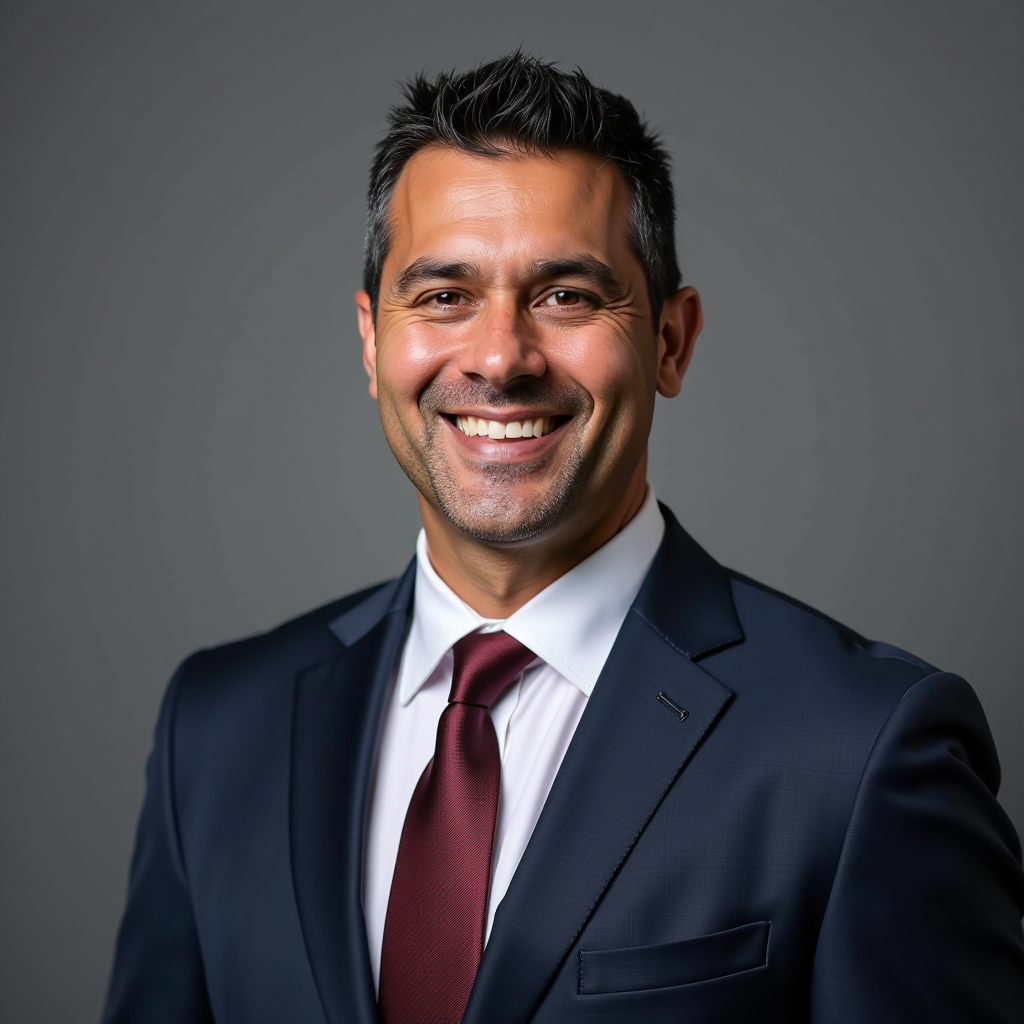
James Martinez
U.S. Army Combat Medic (2008-2016)
Current Position: Healthcare Operations Manager, Regional Medical Center
James Martinez served eight years as a combat medic, including two deployments to Afghanistan. His military experience provided exceptional medical training and crisis management skills, but translating those capabilities into civilian healthcare credentials proved more challenging than he anticipated. "I had saved lives under fire, managed mass casualty situations, and trained junior medics," James recalls. "But civilian employers couldn't see past the lack of traditional certifications."
The breakthrough came when James connected with Athenia Veterans Post's career transition program. A mentor helped him identify how his military leadership and operational management experience aligned with healthcare administration roles. Rather than pursuing direct patient care, James pivoted toward the operational side of healthcare, where his skills in logistics, personnel management, and emergency response planning proved invaluable.
James enrolled in an accelerated healthcare administration program that recognized his military training for course credits. He completed his bachelor's degree in just 18 months while working part-time in a hospital's emergency department. His military background gave him unique insights into trauma care coordination and emergency preparedness that impressed his supervisors and professors alike.
Today, James manages operations for a 300-bed regional medical center, overseeing emergency services, surgical departments, and disaster preparedness planning. His military experience proves relevant daily, particularly in crisis situations and when implementing new protocols. "The military taught me to stay calm under pressure, think systematically, and lead diverse teams," he explains. "Those skills transfer perfectly to healthcare administration, where every day brings new challenges and high-stakes decisions."
Technology Sector Success: Cybersecurity Specialist
Sarah Chen's transition from Navy intelligence analyst to civilian cybersecurity specialist demonstrates how military technical skills can translate directly into high-demand civilian careers. After serving six years in signals intelligence, Sarah possessed advanced knowledge of network security, threat analysis, and information protection. However, she initially struggled to communicate her capabilities in terms civilian employers understood.
"Military job titles and descriptions don't always align with civilian equivalents," Sarah explains. "I had to learn to describe my work using industry-standard terminology and certifications that civilian hiring managers recognized." Through the Veterans Post's career workshop series, Sarah learned to reframe her military experience, highlighting specific technical competencies and quantifiable achievements rather than military jargon.
Sarah invested in obtaining civilian cybersecurity certifications, including CompTIA Security+ and Certified Information Systems Security Professional credentials. Many of these certifications built directly on her military training, allowing her to test quickly. She also leveraged veteran-friendly hiring programs at major technology companies, which actively recruit former military personnel for security roles.
Within six months of separation, Sarah secured a position as a cybersecurity analyst at a Fortune 500 financial services company. Three years later, she leads a team of security specialists protecting critical infrastructure. Her military background provides unique advantages in threat assessment and crisis response. "The military taught me to think like an adversary and anticipate threats before they materialize," she notes. "That mindset is exactly what cybersecurity requires."
Entrepreneurship: Building a Business from Military Experience
Not all successful transitions lead to traditional employment. Michael Thompson, a former Marine Corps logistics officer, channeled his military experience into entrepreneurship, founding a supply chain consulting firm that now serves clients nationwide. His journey illustrates how veterans can leverage their unique skills and perspectives to create their own opportunities.
Michael's military career involved managing complex logistics operations in challenging environments, coordinating transportation, inventory, and distribution across multiple locations. He recognized that these skills directly applied to civilian supply chain management but wanted the flexibility and challenge of building his own business. "I loved the problem-solving aspect of logistics," Michael explains. "Starting my own firm allowed me to tackle diverse challenges across different industries."
The transition to entrepreneurship required Michael to develop new skills beyond his military expertise. Through Small Business Administration programs and mentorship from fellow Veterans Post members, he learned business planning, marketing, and financial management. He started small, taking on consulting projects while maintaining part-time employment to ensure financial stability during the startup phase.
Five years later, Michael's firm employs twelve people, including several veterans, and generates over two million dollars in annual revenue. His military background provides credibility with clients and a disciplined approach to project management. "Veterans make excellent entrepreneurs," he observes. "We're trained to accomplish missions with limited resources, adapt to changing circumstances, and lead teams through adversity. Those are exactly the skills you need to build a successful business."
Education and Training: Investing in Your Future
A common thread among successful career transitions is the strategic use of education and training opportunities. Veterans have access to significant educational benefits through the GI Bill and other programs, but maximizing these resources requires careful planning. The most successful transitions often involve targeted education that builds on military experience while filling specific skill gaps.
Robert Williams, a former Army engineer, exemplifies this strategic approach. Rather than pursuing a traditional four-year degree immediately after separation, Robert enrolled in a specialized project management certification program. This six-month intensive course provided immediately applicable skills and industry-recognized credentials. He secured employment as an assistant project manager within weeks of completing the program, then pursued his bachelor's degree part-time while working.
"I needed to start earning income quickly, but I also wanted to invest in long-term career development," Robert explains. "The certification program gave me immediate employability, while the degree program positioned me for advancement." This phased approach allowed Robert to maintain financial stability while building credentials. Today, he manages major construction projects and credits his military engineering background combined with civilian project management training for his success.
Veterans considering education should research programs that recognize military training for academic credit, offer flexible scheduling for working students, and have strong career placement services. Many institutions now have dedicated veteran support offices that help navigate the transition to academic life and connect students with employment opportunities. The investment in education pays dividends throughout a career, but strategic planning ensures maximum return on that investment.
The Power of Networking and Mentorship
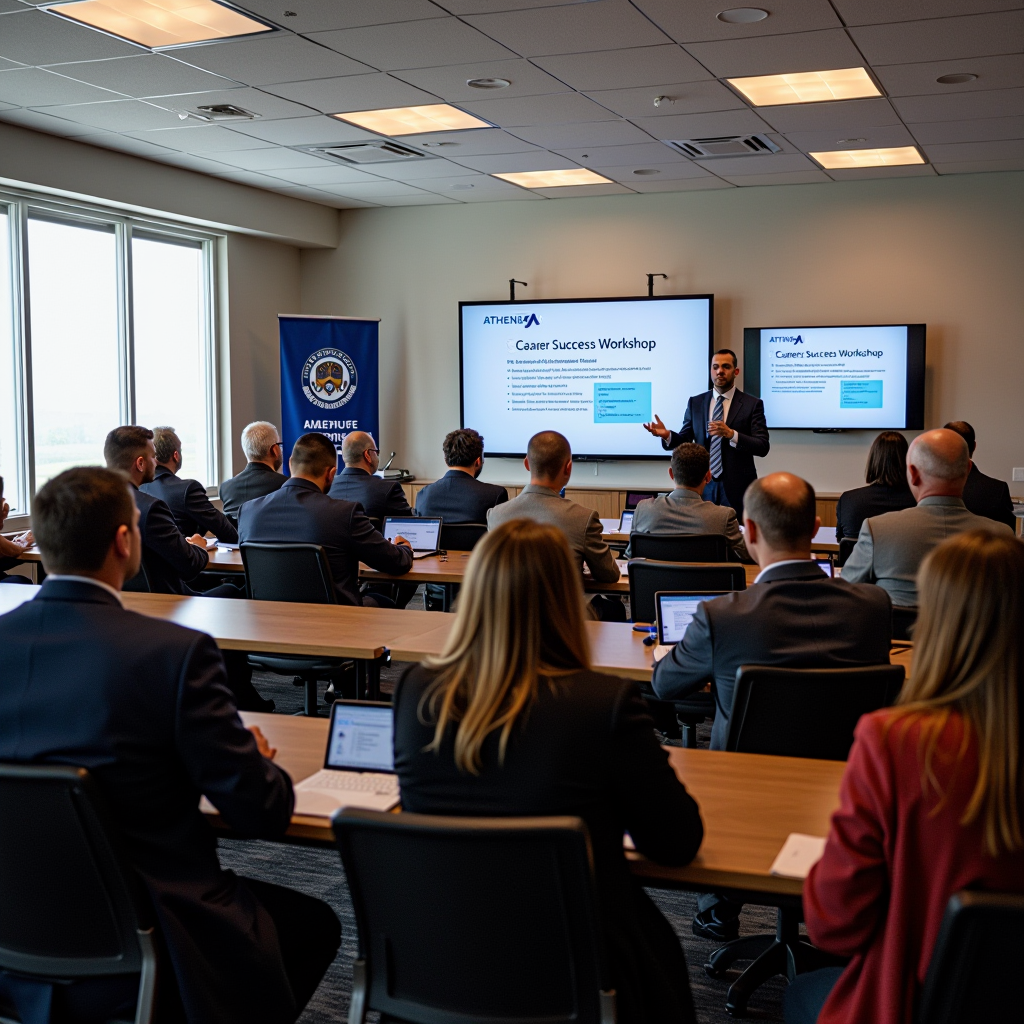
Every veteran interviewed for this article emphasized the critical importance of networking and mentorship in their transition success. The military provides built-in professional networks and mentorship structures, but veterans must actively build new civilian networks. Organizations like Athenia Veterans Post provide crucial bridges, connecting transitioning veterans with established professionals who understand their unique challenges.
Jennifer Rodriguez, now a successful human resources director, credits her mentor relationship with another Veterans Post member for her career trajectory. "My mentor helped me understand civilian workplace culture, reviewed my resume, conducted mock interviews, and introduced me to key contacts in my field," Jennifer recalls. "That guidance was invaluable. I would have made numerous mistakes without it."
Effective networking extends beyond formal mentorship programs. Attending industry conferences, joining professional associations, participating in veteran networking events, and maintaining an active LinkedIn presence all contribute to building professional connections. Many veterans find that their military service creates instant rapport with other veterans in their target industry, providing natural networking opportunities.
The Veterans Post's monthly career workshops bring together transitioning veterans with established professionals across various industries. These events provide practical advice, industry insights, and networking opportunities in a supportive environment. Participants consistently report that connections made at these workshops lead directly to job opportunities and career advancement. The power of a strong professional network cannot be overstated in today's job market.
Overcoming Common Obstacles
Successful career transitions don't happen without obstacles. Understanding common challenges helps veterans prepare and develop strategies to overcome them. One frequent difficulty involves translating military experience into civilian terms. Military occupational specialties, ranks, and accomplishments often don't have direct civilian equivalents, requiring veterans to reframe their experience in language civilian employers understand.
Cultural adjustment presents another significant challenge. Civilian workplaces operate differently from military organizations, with less formal hierarchies, different communication styles, and varying expectations around initiative and decision-making authority. Veterans accustomed to clear chains of command and explicit orders may need to adapt to more ambiguous organizational structures and implicit expectations.
Financial pressures during transition can create stress and lead to hasty career decisions. Veterans may feel pressure to accept the first job offer rather than holding out for positions that truly align with their skills and career goals. Building a financial cushion before separation, understanding available benefits, and developing a realistic timeline for job search all help mitigate this pressure.
Identity transition represents perhaps the most profound challenge. Military service becomes central to personal identity, and leaving that identity behind can feel disorienting. Successful transitions often involve finding ways to maintain connection to military values and community while building new civilian identities. Organizations like Athenia Veterans Post provide crucial support during this identity transition, offering community and purpose beyond military service.
Advice for Transitioning Veterans
The veterans featured in this article offer consistent advice for those beginning their transition journey. First, start planning early. Successful transitions typically begin 12-18 months before separation, allowing time for education, networking, and strategic career planning. Waiting until after separation to begin planning puts veterans at a significant disadvantage.
Second, invest in understanding your transferable skills. Military experience develops valuable capabilities in leadership, problem-solving, teamwork, and adaptability. However, veterans must learn to articulate these skills in civilian terms and demonstrate their relevance to target careers. Career counseling and skills assessment tools help identify and communicate these transferable capabilities.
Third, build your network aggressively. Attend veteran networking events, connect with alumni from your military unit who have successfully transitioned, join professional associations in your target field, and leverage social media platforms like LinkedIn. Many job opportunities never reach public job boards, making personal connections essential for accessing the hidden job market.
Fourth, be patient and persistent. Career transition takes time, and setbacks are normal. The first civilian job may not be the dream position, but it provides valuable experience and opens doors to future opportunities. View transition as a process rather than a single event, and maintain perspective during inevitable challenges.
Finally, stay connected to the veteran community. Organizations like Athenia Veterans Post provide ongoing support, networking opportunities, and a sense of belonging that helps veterans maintain their identity while building new civilian careers. The camaraderie and mutual support that defined military service need not end with separation.
Career Transition Resources
Athenia Veterans Post offers monthly career transition workshops, one-on-one mentorship programs, resume review services, and networking events designed specifically for veterans entering civilian careers. Contact our career services coordinator to learn more about available resources and upcoming programs.
Looking Forward
The career transition stories shared here represent just a fraction of the successful transitions happening within our Veterans Post community. Each veteran's journey is unique, shaped by individual circumstances, skills, and aspirations. However, common themes emerge: the importance of planning, the value of education and training, the power of networking and mentorship, and the resilience that military service develops.
Veterans bring tremendous value to civilian workplaces. Their leadership experience, technical skills, adaptability, and work ethic make them highly desirable employees across virtually every industry. The challenge lies not in veterans' capabilities but in effectively communicating those capabilities and navigating the transition process strategically.
As more veterans successfully transition and share their experiences, the path becomes clearer for those following behind. The veterans featured in this article now serve as mentors themselves, paying forward the support they received during their own transitions. This cycle of mentorship and support strengthens our entire veteran community and ensures that future generations of veterans have the resources and guidance they need to succeed.
The transition from military to civilian career represents both a challenge and an opportunity. It requires veterans to step outside their comfort zones, learn new skills, and adapt to unfamiliar environments. But it also offers the chance to apply military-developed capabilities in new contexts, pursue personal passions, and build fulfilling careers that honor their service while creating new paths forward. With proper preparation, community support, and determination, every veteran can successfully navigate this transition and thrive in civilian careers.